Design of Movement-Assistive Residential Environments Using Wellness Infill
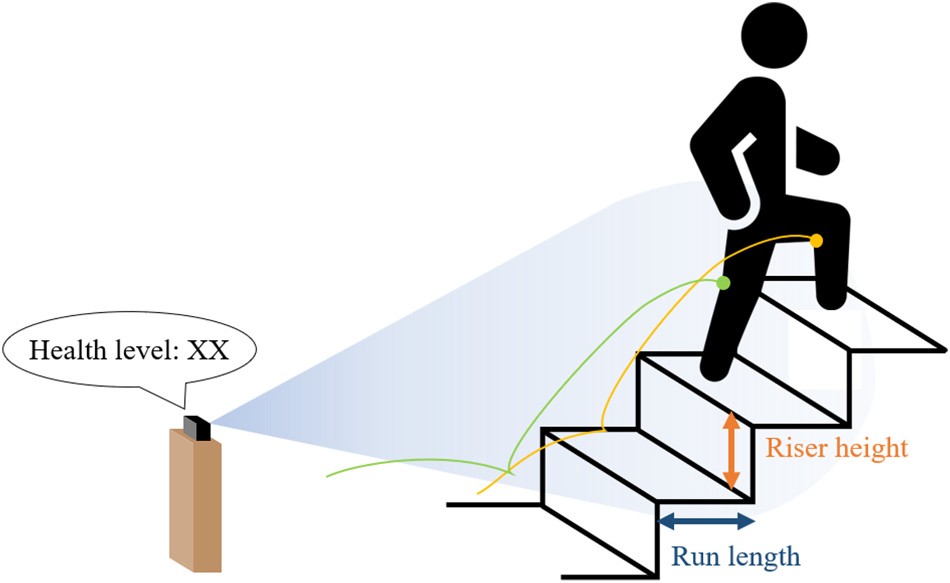
“Wellness infill” refers to a system that optimizes and supports the activities of daily living of building occupants through deliberate spatial design and environmental control — encompassing floor plans, furniture arrangement, and the configuration of steps and staircases. This research focuses on how spatial design influences the physical load on different body segments and the ease of movement, with the goal of creating residential environments that support health maintenance and functional recovery.
For example, physical contact with furniture and walls during gait is reframed as “movement assistance through space,” and the associated dynamic interactions and gait parameters are measured and analyzed — particularly for older adults and residents with residual motor impairments — enabling quantitative evaluation of how effectively the built environment can support human movement.
Ultimately, this work proposes a new role for residential space as a medium for movement assistance, realized through wellness infill systems that modulate physical load in daily life and promote safe, healthy living.