Author: ogawalab
-

Motion Measurement System for Activities of Daily Living in Residential Spaces
With the decline in caregiving labor driven by Japan’s aging and shrinking population, extending healthy life expectancy has become a pressing societal goal. While community-based physical assessments — such as the Timed Up and Go test — are widely used to evaluate fall and disease risk, these tests are conducted in unfamiliar settings that can…
-
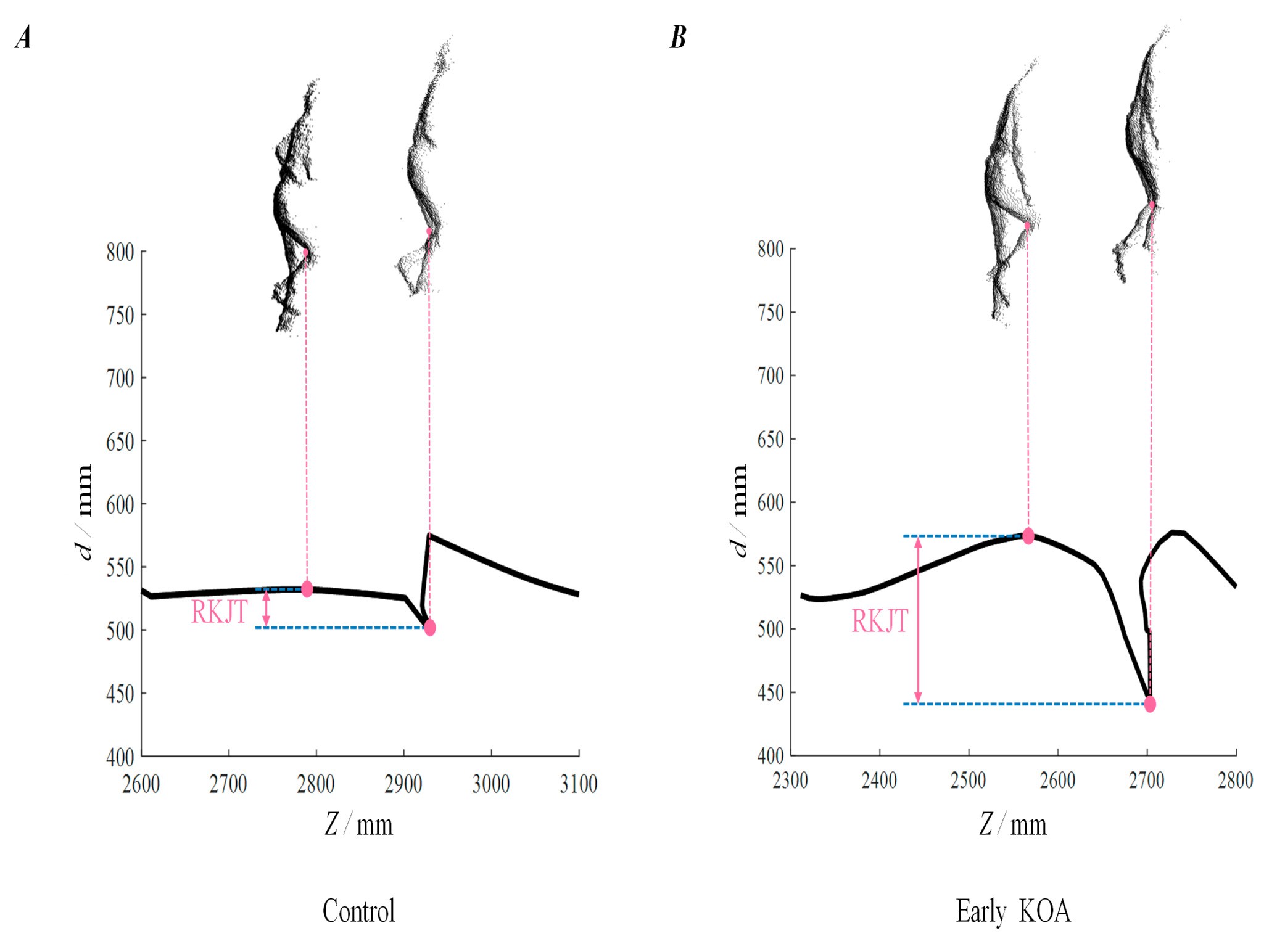
Development of Physical Function Assessment Indices
Knee osteoarthritis — one of the most prevalent musculoskeletal disorders among older adults — is known to progress gradually and often without noticeable symptoms, making early detection particularly challenging despite the well-established benefits of early intervention. To address this, we aim to identify subtle changes in physical function using data collected through our activities of…
-
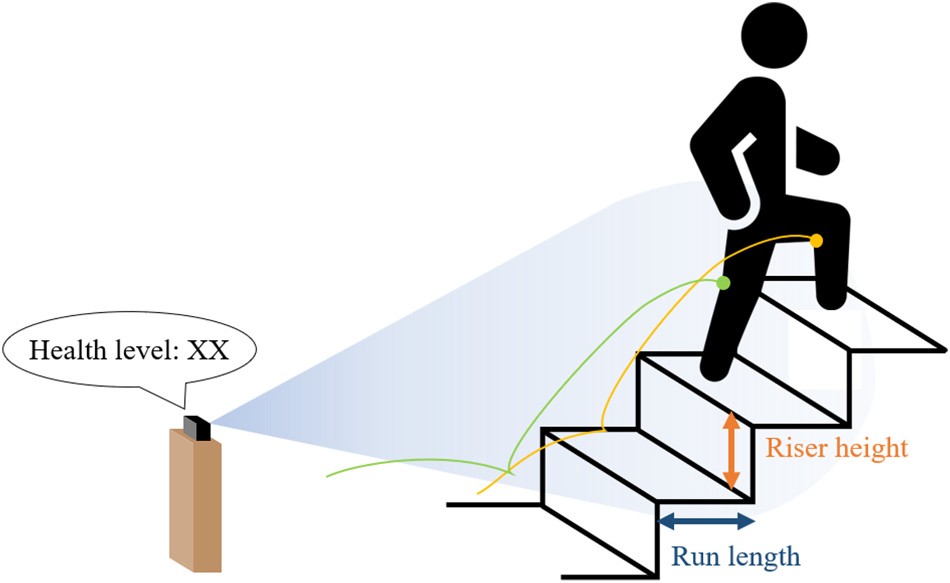
Design of Movement-Assistive Residential Environments Using Wellness Infill
“Wellness infill” refers to a system that optimizes and supports the activities of daily living of building occupants through deliberate spatial design and environmental control — encompassing floor plans, furniture arrangement, and the configuration of steps and staircases. This research focuses on how spatial design influences the physical load on different body segments and the…
-

Fostering Social Connectivity Through Architectural Space
The increasing nuclearization of family structures, shifting residential patterns, and the impact of the COVID-19 pandemic have collectively weakened interpersonal bonds, making social isolation a significant and growing concern in contemporary Japanese society. While the pandemic accelerated the adoption of remote communication, a substantial gap remains between in-person and online interaction — one that contributes…
-

Optimal Sensor Placement in Living Environments
In recent years, research on sensing technologies for in-home motor function assessment has advanced considerably from the perspective of preventive medicine. At the same time, since such assessments involve measuring activities of daily living using sensors, careful consideration must be given to sensor placement and data acquisition conditions — particularly with regard to occupant privacy.…
-

Prediction of Turning Movements During Gait
As robots and sensors become increasingly integrated into residential environments, the ability to predict human movement is essential for ensuring both safety and comfort. Among the activities of daily living subject to measurement, turning movements during gait are particularly challenging — they occur frequently and are associated with an elevated risk of falls. To address…
-

Spatial Design Informed by Occupant Habit Data
This research explores how individual occupant habits can be incorporated into the design of new residential spaces. Relocation and home renovation are well-recognized sources of stress, largely because occupants must adapt their established routines to an unfamiliar built environment. This challenge is especially significant for older adults, who tend to have lower adaptability to environmental…